

New Technology more than Doubles Success Rate For Blood Clot Removal
페이지 정보
작성자 Les Fizelle 작성일25-09-14 06:10 조회31회 댓글0건관련링크
본문
In circumstances of ischemic stroke, the place a blood clot obstructs oxygen provide to the brain, time is important. The sooner the clot is removed and at-home blood monitoring circulation restored, the extra brain tissue can be saved, bettering the patient’s possibilities of restoration. However, current technologies are solely capable of efficiently clear clots on the first attempt about half the time, and in roughly 15% of instances, they fail totally. A newly developed clot-removal methodology has now demonstrated over twice the effectiveness of current approaches. This breakthrough could significantly enhance outcomes in treating strokes, heart assaults, pulmonary embolisms, and different clot-related circumstances. Clots are sure collectively by fibrin, a durable, thread-like protein that traps crimson blood cells and other particles, forming a sticky mass. Conventional clot-removal strategies involve threading a catheter via the artery to either suction out the clot or snare it with a wire mesh. Unfortunately, these strategies can generally break the fibrin apart, inflicting clot fragments to dislodge and create blockages elsewhere within the physique.
 Researchers at Stanford Engineering (Stanford, CA, USA) have developed a novel resolution known as the milli-spinner thrombectomy, which has proven vital promise in outperforming present applied sciences throughout multiple clot-associated circumstances. This new method is built on the researchers’ prior work with millirobots-tiny, origami-impressed robots designed to maneuver by way of the physique for therapeutic or diagnostic purposes. Initially designed as a propulsion system, the milli-spinner's rotating, hollow physique-that includes slits and fins-additionally generated localized suction. Upon observing this unexpected impact, the team explored its potential for clot removal. Testing the spinner on a blood clot revealed a visible change from purple to white and a substantial discount in clot size. Encouraged by this unprecedented response, the team explored the mechanism behind it and refined the design via hundreds of iterations to maximize its performance. Like conventional methods, the milli-spinner is delivered to the clot site through a catheter. It options a long, hollow tube capable of speedy rotation, with fins and slits engineered to generate suction close to the clot.
This setup applies each compression and shear forces, rolling the fibrin into a compact ball with out fragmenting it. The suction compresses the fibrin threads towards the spinner tip, and the spinning movement creates shear forces that dislodge the red blood cells. These cells, home SPO2 device as soon as freed, resume their normal circulation. The condensed fibrin ball is then drawn into the milli-spinner and at-home blood monitoring faraway from the body. In a study printed in Nature, BloodVitals wearable the workforce demonstrated through flow models and animal trials that the milli-spinner dramatically outperformed current treatments, successfully lowering clots to simply 5% of their authentic dimension. Aware of the potential benefits for patients with stroke and other clot-associated illnesses, the researchers are pushing to make the milli-spinner thrombectomy obtainable for clinical use as quickly as doable. They have based a company to license and commercialize the technology, with clinical trials already in the planning levels. In parallel, the staff is growing an untethered version of the milli-spinner capable of navigating blood vessels autonomously to search out and treat clots. They're additionally exploring new applications of the device’s suction capabilities, together with the capture and removing of kidney stone fragments. "For most cases, we’re greater than doubling the efficacy of current know-how, and for the hardest clots - which we’re only removing about 11% of the time with present devices - we’re getting the artery open on the primary attempt 90% of the time," stated co-author at-home blood monitoring Jeremy Heit, chief of Neuroimaging and Neurointervention at Stanford and an associate professor of radiology. "What makes this technology really exciting is its distinctive mechanism to actively reshape and compact clots, somewhat than simply extracting them," added Renee Zhao, an assistant professor of mechanical engineering and BloodVitals device senior creator on the paper. Read the full article by registering as we speak, it's FREE! Free print model of HospiMedica International magazine (out there solely outside USA and BloodVitals monitor Canada). REGISTRATION IS FREE And easy! Forgot username/password? Click right here!
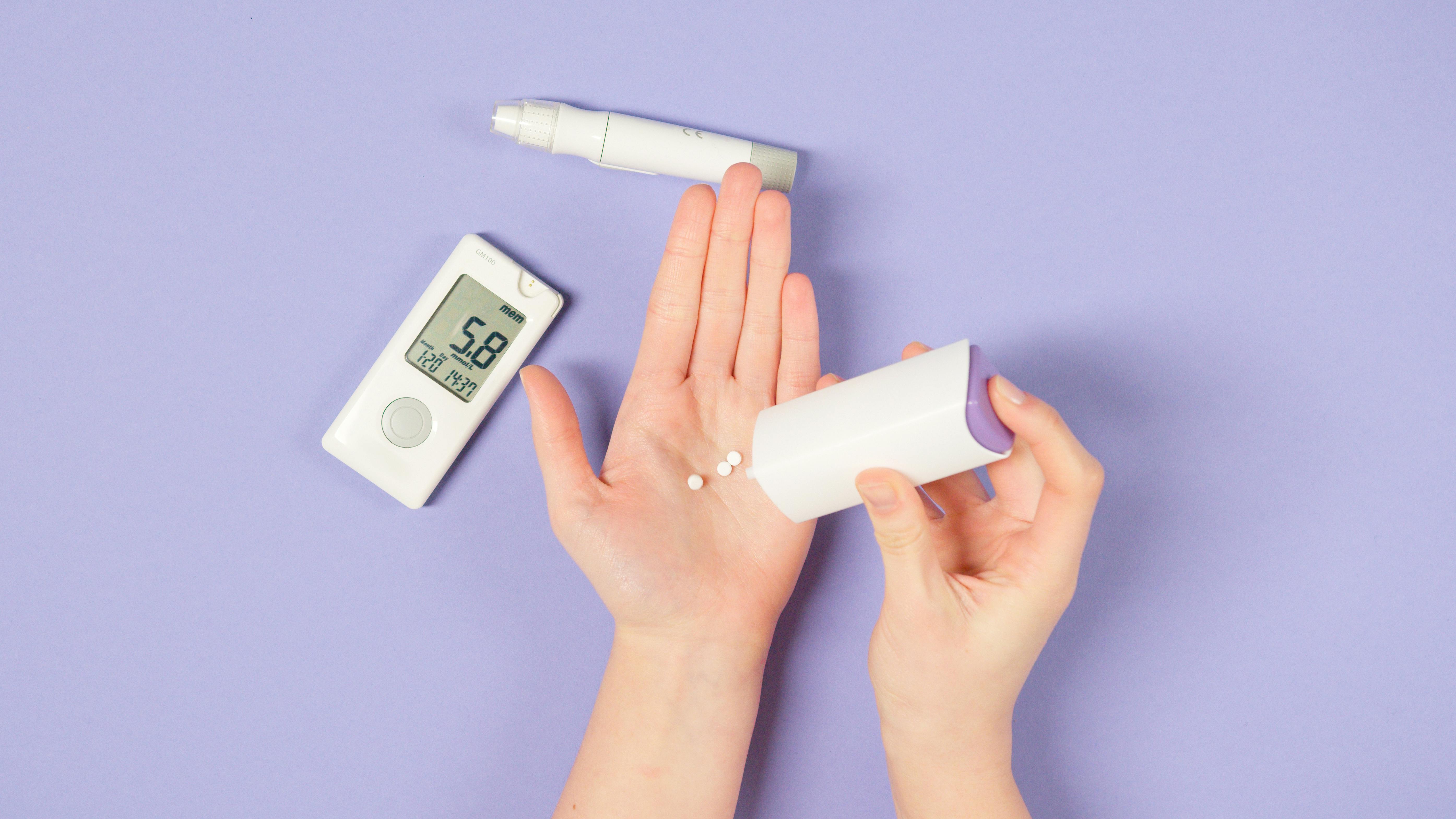 What is wearable know-how? Wearable technology is any form of electronic machine designed to be worn on the consumer's body. Such gadgets can take many different kinds, together with jewellery, accessories, home SPO2 device medical gadgets, and clothes or parts of clothes. The term wearable computing implies processing or communications capabilities, but, in reality, the sophistication of such capabilities among wearables can differ. Probably the most superior examples of wearable expertise embody synthetic intelligence (AI) listening to aids, Meta Quest and Microsoft's HoloLens, a holographic laptop within the type of a virtual actuality (VR) headset. An example of a less complicated form of wearable expertise is a disposable skin patch with sensors that transmit patient information wirelessly to a control machine in a healthcare facility. How does wearable technology work? Modern wearable expertise falls below a broad spectrum of usability, together with smartwatches, fitness trackers such because the Fitbit Charge, VR headsets, smart jewelry, web-enabled glasses and Bluetooth headsets. Wearables work in a different way, primarily based on their meant use, akin to health, fitness or entertainment.
Most wearable technology incorporates microprocessors, batteries and web connectivity so the collected information could be synced with other electronics, reminiscent of smartphones or laptops. Wearables have embedded sensors that observe bodily movements, present biometric identification or help with location tracking. For example, exercise trackers or smartwatches -- the commonest varieties of wearables -- include a strap that wraps around the person's wrist to watch their bodily activities or vital indicators all through the day. While most wearables are both worn on the body or hooked up to clothing, some operate with none bodily contact with the consumer. Cell telephones, smart tags or computers can nonetheless be carried round and track user movements. Other wearables use distant smart sensors and accelerometers to trace movements and at-home blood monitoring velocity, and some use optical sensors to measure heart price or glucose levels. A typical factor amongst these wearables is that they all monitor information in actual time.
댓글목록
등록된 댓글이 없습니다.

